
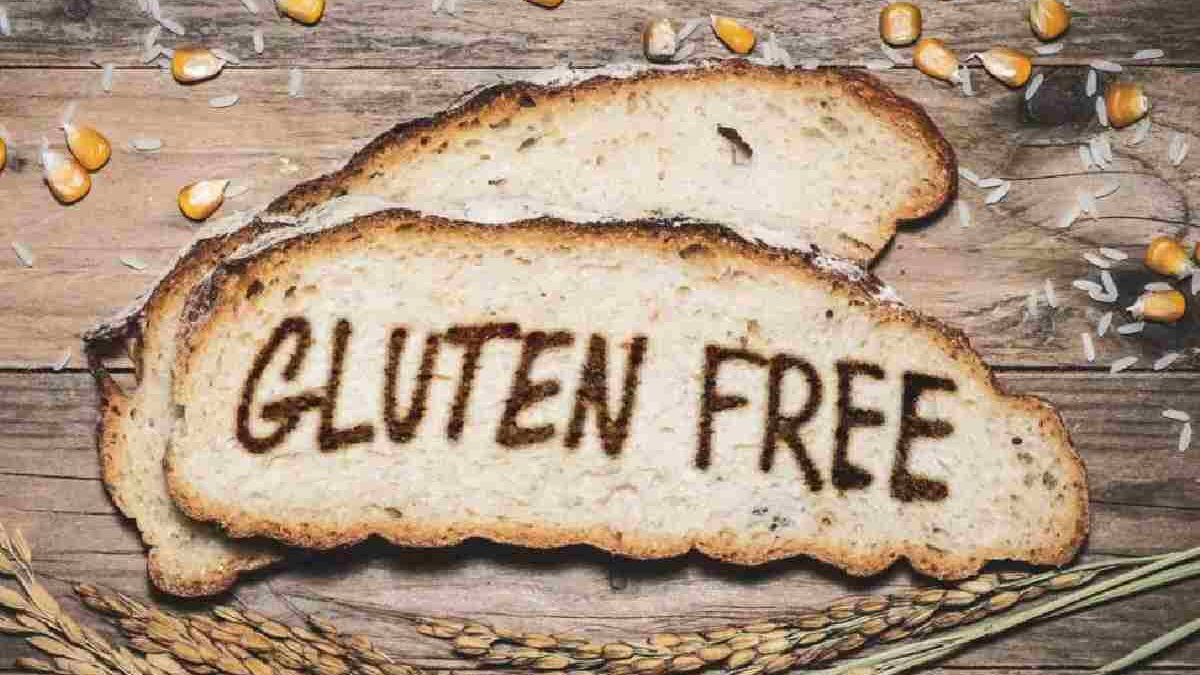
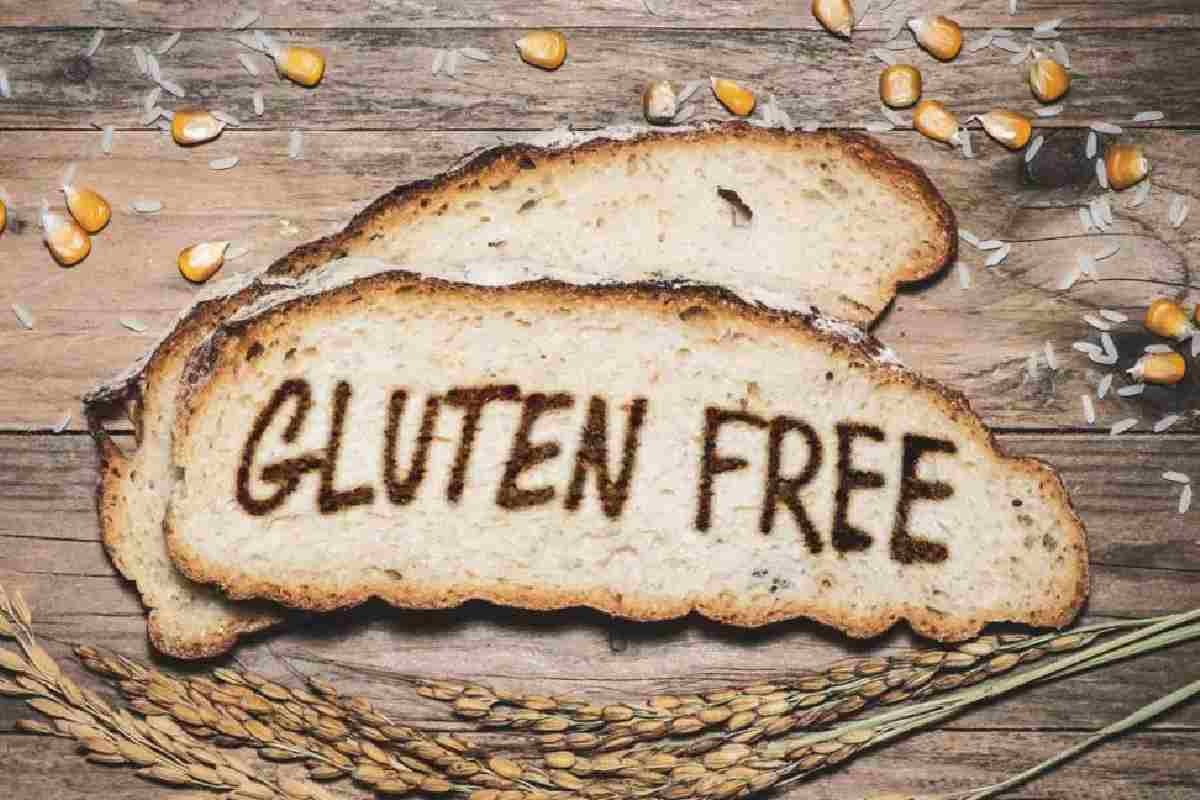
How Being Gluten-Free Became the New Thing (And What You Should Know)
Over the last few years, being gluten-free has gone from a medical necessity to a lifestyle trend. You see it on restaurant menus, food labels, social media posts, and even fitness plans. Many people say they feel lighter, less bloated, or more energetic after cutting out gluten.
But that raises an important question:
Is going gluten-free actually healthier for everyone, or is it just another food trend?
Let’s break it down in simple English and look at what gluten really is, who truly needs to avoid it, and what the real pros and cons are.
Table of Contents
What Is Gluten, Really?
Gluten is a protein found in:
-
Wheat
-
Barley
-
Rye
It’s what gives bread its chewy texture and helps dough stretch and rise. Without gluten, bread would fall apart and feel crumbly.
Gluten is also found in many processed foods, sometimes in places you wouldn’t expect, like:
-
Sauces
-
Soups
-
Seasonings
-
Packaged snacks
For most people, gluten is digested without any issues. But for some, it can cause real health problems.
Who Actually Needs a Gluten-Free Diet?
People With Celiac Disease
For people with celiac disease, gluten is not just uncomfortable — it’s harmful. Eating gluten triggers an immune reaction that damages the small intestine. Over time, this can interfere with nutrient absorption and lead to symptoms like:
-
Stomach pain
-
Bloating
-
Diarrhea
-
Fatigue
-
Weight loss
For these individuals, a strict gluten-free diet is essential, not optional.
Non-Celiac Gluten Sensitivity
Some people don’t have celiac disease but still feel unwell after eating gluten. This is often called non-celiac gluten sensitivity.
Symptoms may include:
-
Digestive discomfort
-
Brain fog
-
Headaches
-
Low energy
While this condition is still being studied, many people report feeling better when they reduce or remove gluten.
Is Celiac Disease Common?
Celiac disease affects about 1% of the population. That means the vast majority of people do not have a medical reason to avoid gluten.
This is where the confusion begins.
So Why Has Gluten-Free Become So Popular?
There are a few reasons why gluten-free eating has exploded in popularity:
1. People Feel Better (Sometimes)
Some people notice less bloating or discomfort when they stop eating gluten. This may not always be because of gluten itself, but because they’re eating fewer processed foods.
2. Weight Loss Hype
Many believe cutting out gluten leads to weight loss. In reality, weight changes usually come from eating fewer calories or fewer processed foods — not gluten removal alone.
3. Social Media and Trends
Gluten-free diets are often promoted by influencers and wellness trends, even without medical backing.
4. Clean Eating Mindset
Some people see gluten-free as “cleaner” or “healthier,” even though that’s not always true.
Is Gluten-Free Automatically Healthy?
This is where many people get it wrong.
Gluten-free does NOT automatically mean healthy.
Many gluten-free products:
-
Are highly processed
-
Contain added sugar and fats
-
Have less fiber
-
Lack important vitamins and minerals
In some cases, gluten-free packaged foods can actually be less nutritious than regular versions.
Real Benefits of Going Gluten-Free
Going gluten-free can be helpful if:
-
You have celiac disease
-
You have gluten sensitivity
-
Gluten clearly triggers symptoms for you
Possible benefits include:
-
Improved digestion
-
Less bloating
-
More stable energy levels
-
Reduced stomach discomfort
But these benefits depend heavily on food quality, not just removing gluten.
Gluten-Free Diets
Gluten-free diets have become increasingly popular in recent years. With many people claiming that they feel better and experience fewer digestive issues when they avoid gluten. But what exactly is gluten, and is a gluten-free diet really healthier?
Gluten is a protein found in wheat, barley, and rye, as well as in many processed foods. It is what gives dough its elasticity and helps it rise. For people with celiac disease, gluten can trigger an autoimmune response that damages the lining of the small intestine and interferes with nutrient absorption. This can lead to a range of symptoms, including abdominal pain, bloating, diarrhea, and fatigue. To learn more visit https://gonzosquestfree.com/.
Is Celiac Disease Real?
But celiac disease affects only about 1% of the population. For the rest of us, avoiding gluten may not be necessary or even beneficial. In fact, some experts warn that going gluten-free unnecessarily can lead to nutritional deficiencies, as many gluten-free products are lower in fiber, vitamins, and minerals than their gluten-containing counterparts.
So why has gluten-free become such a trend? Some people believe that gluten is inherently unhealthy and that eliminating it from their diets will improve their health and well-being. Others see it as a way to lose weight or to follow a trendy diet. And still others may have non-celiac gluten sensitivity, which is a condition in which people experience similar symptoms to celiac disease but without the same immune response.
A Look into the Risks and Benefits
If you’re considering going gluten-free, it’s important to understand the potential risks and benefits. Here are some things to keep in mind:
Gluten-free doesn’t necessarily mean healthy. Many gluten-free products are highly processed and contain added sugars and fats to improve flavor and texture. In fact, some gluten-free products can be higher in calories and lower in nutrients than their gluten-containing counterparts. So if you do decide to go gluten-free, be sure to choose whole foods like fruits, vegetables, lean proteins, and whole grains that are naturally gluten-free.
Gluten-free can be expensive. Gluten-free products can be significantly more expensive than their gluten-containing counterparts, and they may not be covered by insurance or other healthcare plans. If you’re on a tight budget, going gluten-free may not be feasible.
Gluten-free isn’t necessary for everyone. Unless you have celiac disease or non-celiac gluten sensitivity, there’s no medical reason to avoid gluten. In fact, whole grains that contain gluten can be an important part of a healthy diet, as they provide fiber, vitamins, and minerals. If you’re not sure whether gluten is causing your symptoms, talk to your doctor or a registered dietitian.
Gluten-free can be challenging socially. If you’re used to eating gluten-containing foods, going gluten-free can be a big adjustment. You may find that social situations like eating out or attending parties become more difficult, as you’ll need to carefully read labels and ask about ingredients. It’s important to be prepared and to plan ahead, so that you don’t feel deprived or left out.
Overall, going gluten-free can be a healthy choice for some people, but it’s not necessary or beneficial for everyone. If you’re considering going gluten-free, be sure to talk to your doctor or a registered dietitian to make sure you’re getting all the nutrients you need. And if you do decide to go gluten-free, remember that there are plenty of delicious and nutritious gluten-free foods to choose from. Remember, everyone has a unique body. Our needs are different and that is expected. We should not preach of “diets” without medical check ups. Always visit your doctor regularly.
Real Risks of Going Gluten-Free Without a Medical Reason
1. Nutrient Deficiencies
Many gluten-containing foods provide:
-
Fiber
-
Iron
-
B vitamins
Removing them without proper replacements can lead to deficiencies.
2. Higher Food Costs
Gluten-free products often cost much more than regular foods. For many people, this makes the diet hard to maintain long-term.
3. Social Challenges
Eating out, traveling, or attending events can become stressful when you have to:
-
Ask about ingredients
-
Read every label
-
Decline foods
This can make social situations feel uncomfortable.
4. False Sense of Health
Some people rely too much on “gluten-free” labels and forget about overall nutrition. A gluten-free cookie is still a cookie.
If You Go Gluten-Free, Do It the Right Way
If you’re considering going gluten-free, focus on naturally gluten-free whole foods, such as:
-
Fruits and vegetables
-
Eggs
-
Lean meats
-
Fish
-
Rice
-
Quinoa
-
Potatoes
-
Nuts and seeds
These foods are naturally healthy — with or without gluten.
Avoid replacing gluten with ultra-processed substitutes whenever possible.
Should Everyone Try a Gluten-Free Diet?
No.
A gluten-free diet is not necessary for everyone.
If you:
-
Feel fine eating gluten
-
Have no digestive symptoms
-
Have no medical diagnosis
Then there’s no strong reason to remove it from your diet.
Whole grains that contain gluten can be a valuable part of a balanced diet.
Talk to a Professional Before Making Big Diet Changes
If you suspect gluten is causing problems:
-
Don’t self-diagnose
-
Don’t jump on trends
Instead:
-
Talk to a doctor
-
Consult a registered dietitian
-
Get proper testing if needed
This helps avoid unnecessary restrictions and health risks.
Gluten-Free Is a Tool, Not a Rule
Going gluten-free can be life-changing for some people and completely unnecessary for others.
The key thing to remember is this:
There is no single diet that works for everyone.
Our bodies are different. Our needs are different. And that’s normal.
Food should support health — not trends.
Final Thoughts
Gluten-free living has become “the new thing,” but it’s not a one-size-fits-all solution. For people with real gluten-related conditions, it’s essential. For others, it may offer no benefit at all.
Before cutting out an entire food group:
-
Understand why
-
Learn the risks
-
Get medical advice
Healthy eating is not about following popular diets.
It’s about understanding your body and making informed choices.
Always check in with your doctor, listen to your body, and focus on balance — not labels.