
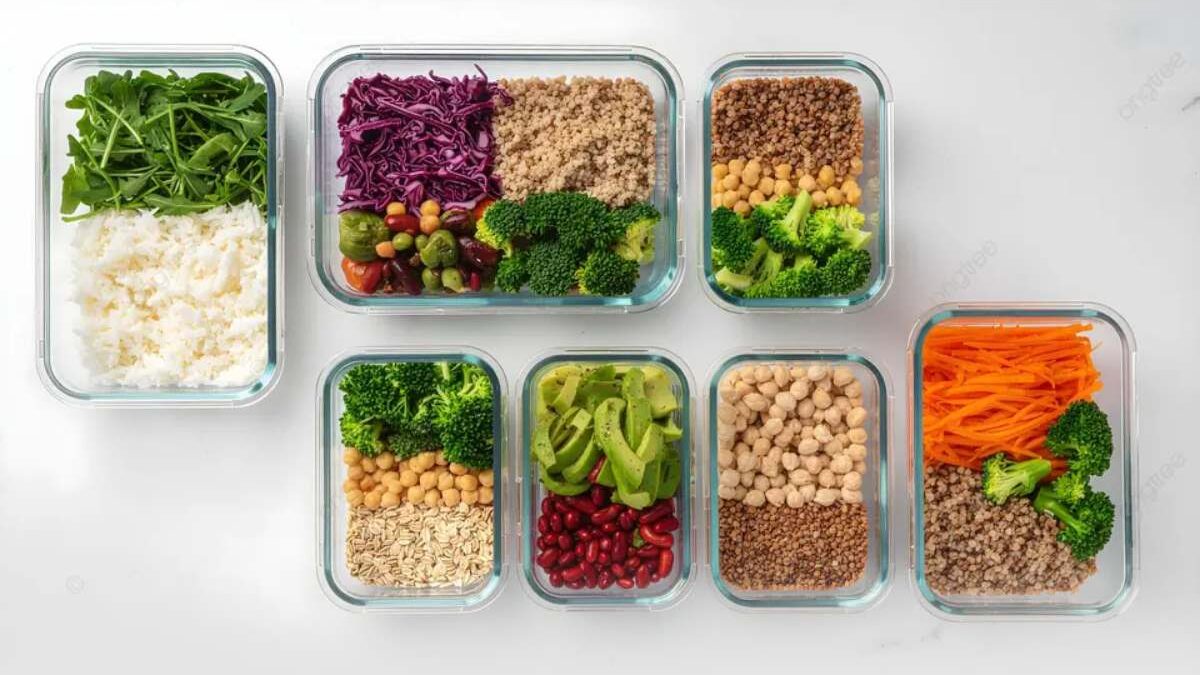
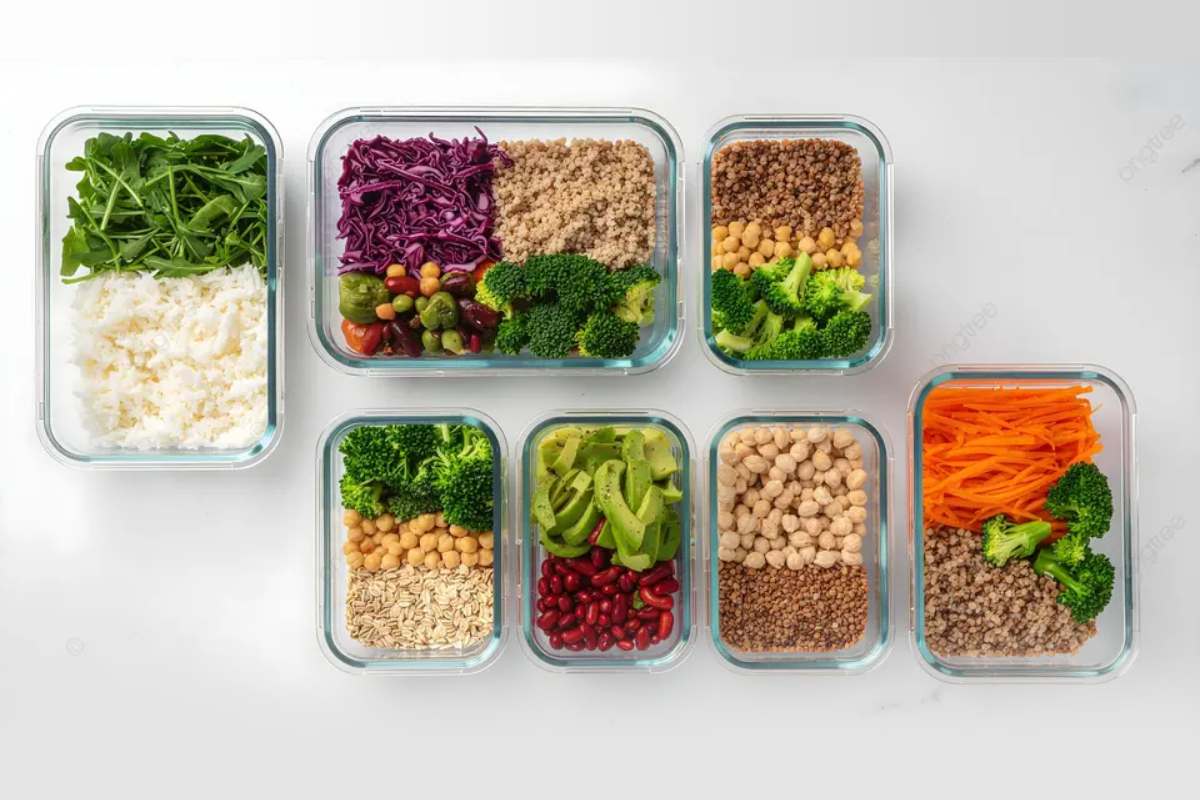
A healthy eating plan is more than just dieting — it is a structured way to consume a balanced mix of nutrients that supports overall health, helps prevent chronic diseases, and improves energy levels. Proper nutrition supports physical fitness, mental well-being, and longevity when followed consistently.
Table of Contents
What Is a Healthy Eating Plan
A healthy eating plan involves consuming a variety of nutrient-rich foods in appropriate proportions to meet daily nutritional needs. This includes fruits, vegetables, whole grains, proteins, dairy, and healthy fats.
According to global health and nutrition guidance, a balanced diet combines staple foods such as cereals, legumes, fruits, vegetables, and animal-source foods to maintain overall health.
Such a plan avoids extreme restriction and instead focuses on sustainability, portion control, and nutrient diversity.
Importance of Healthy Eating
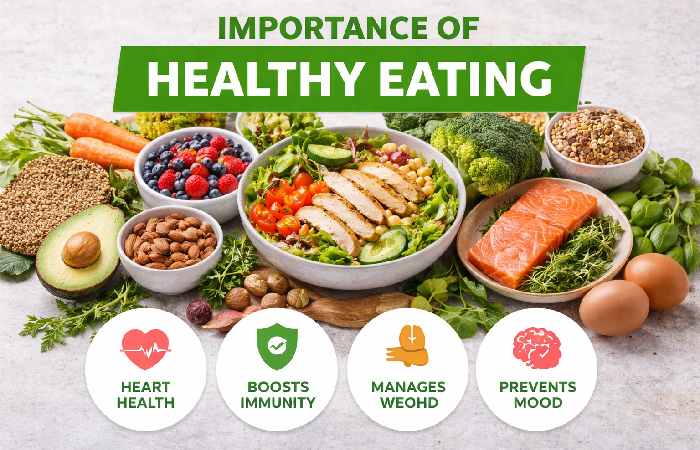
Healthy eating directly influences disease prevention, immunity, mental clarity, and energy levels. Diet-related conditions like obesity, diabetes, and heart disease are strongly linked to poor nutrition habits.
Health organizations recommend eating a variety of foods and limiting processed foods that are high in sugar, salt, and unhealthy fats to prevent lifestyle diseases (WHO Nutrition Recommendations).
Benefits include:
- Improved heart health
- Better digestion
- Enhanced immunity
- Weight management
- Stable energy levels
Core Components of a Balanced Diet
A healthy eating plan should include all major food groups to ensure adequate nutrient intake.
| Food Group | Examples | Benefits |
| Whole grains | Brown rice, oats, quinoa | Energy, fiber |
| Proteins | Fish, beans, eggs | Muscle repair |
| Fruits & vegetables | Spinach, berries | Vitamins |
| Dairy/alternatives | Milk, yogurt | Calcium |
| Healthy fats | Olive oil, nuts | Brain health |
Nutrition experts emphasize eating a variety of foods from different groups daily because each provides different essential nutrients (Balanced Diet Guidance).
Recommended Daily Nutritional Guidelines
Most international health bodies recommend:
- At least 400 g of fruits and vegetables daily
- Limited sugar intake below 10% of daily calories
- Balanced intake of whole grains, proteins, and healthy fats
These guidelines help reduce the risk of chronic disease and improve overall health outcomes (WHO Nutrition Lifestyle Recommendations).
Sample Healthy Eating Plan (Daily Table)
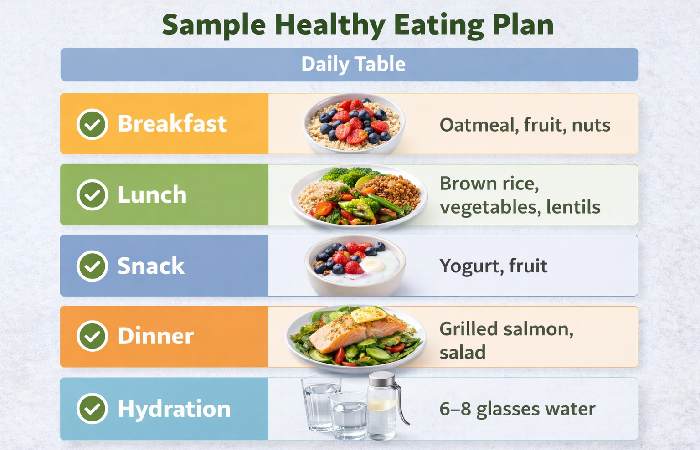
Example Daily Meal Plan
| Meal | Foods |
| Breakfast | Oatmeal + fruits + nuts |
| Lunch | Brown rice + vegetables + lentils |
| Snack | Yogurt + fruit |
| Dinner | Grilled fish + salad |
| Hydration | 6–8 glasses of water |
Health guidelines suggest basing meals on high-fiber carbohydrates, fruits, vegetables, and proteins for balanced nutrition (Balanced Diet NHS Guide).
Foods to Avoid or Limit
Certain foods negatively impact health when consumed excessively:
- Processed foods
- Sugary beverages
- High-sodium snacks
- Trans fats
- Excess red meat
Global nutrition research links excessive consumption of processed foods to chronic diseases and metabolic disorders (EFSA Nutrition Recommendations).
Tips to Maintain Healthy Eating Long Term
Practical Strategies:
- Meal prep weekly
- Track food intake
- Stay hydrated
- Maintain portion control
- Avoid emotional eating
Consistency matters more than perfection. Small sustainable changes produce better long-term results.
Common Mistakes in Diet Planning
Many people unknowingly follow unhealthy practices:
- Skipping meals
- Extreme dieting
- Ignoring micronutrients
- Over-reliance on supplements
- Lack of hydration
Balanced dietary habits should focus on food quality rather than calorie restriction alone.
Frequently Asked Questions
1. How many meals should I eat daily?
Typically, 3 meals with 1–2 healthy snacks maintain a stable metabolism.
2. Is a healthy eating plan expensive?
Not necessarily — whole foods like grains, legumes, and seasonal produce are affordable.
3. Can healthy eating help with weight loss?
Yes, balanced diets regulate metabolism and prevent overeating.
4. Should I avoid fats completely?
No. Healthy fats are essential for brain and heart health.
Expert Quote on Healthy Eating
“Healthy eating is about overall dietary patterns rather than focusing on individual nutrients or foods.”
(Dietary Guidelines for Americans)
Conclusion
A healthy eating plan is essential for maintaining long-term physical and mental health. By consuming balanced nutrients, limiting processed foods, and following scientifically backed dietary guidelines, individuals can improve energy levels, prevent chronic diseases, and enhance quality of life.
Consistency, moderation, and informed food choices remain the key pillars of sustainable nutrition. Instead of short-term dieting, adopting a lifelong healthy eating approach offers the most reliable health benefits.