
Key Takeaways
- Genetic results can help families ask more informed health questions, but they do not replace medical care.
- A genetic risk finding is not the same as a diagnosis.
- Family health history remains valuable, even when genetic testing is available.
- Unexpected ancestry or family-match information deserves privacy, patience, and care.
- A doctor or genetic counselor can help place a result in the right medical context.
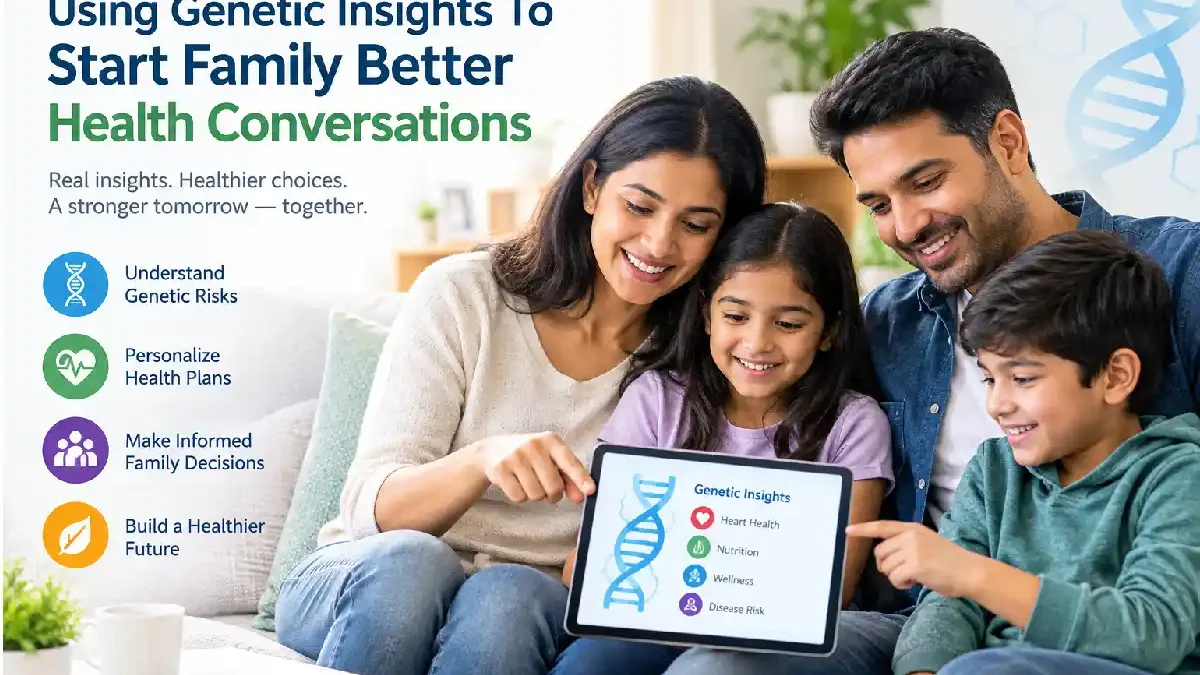
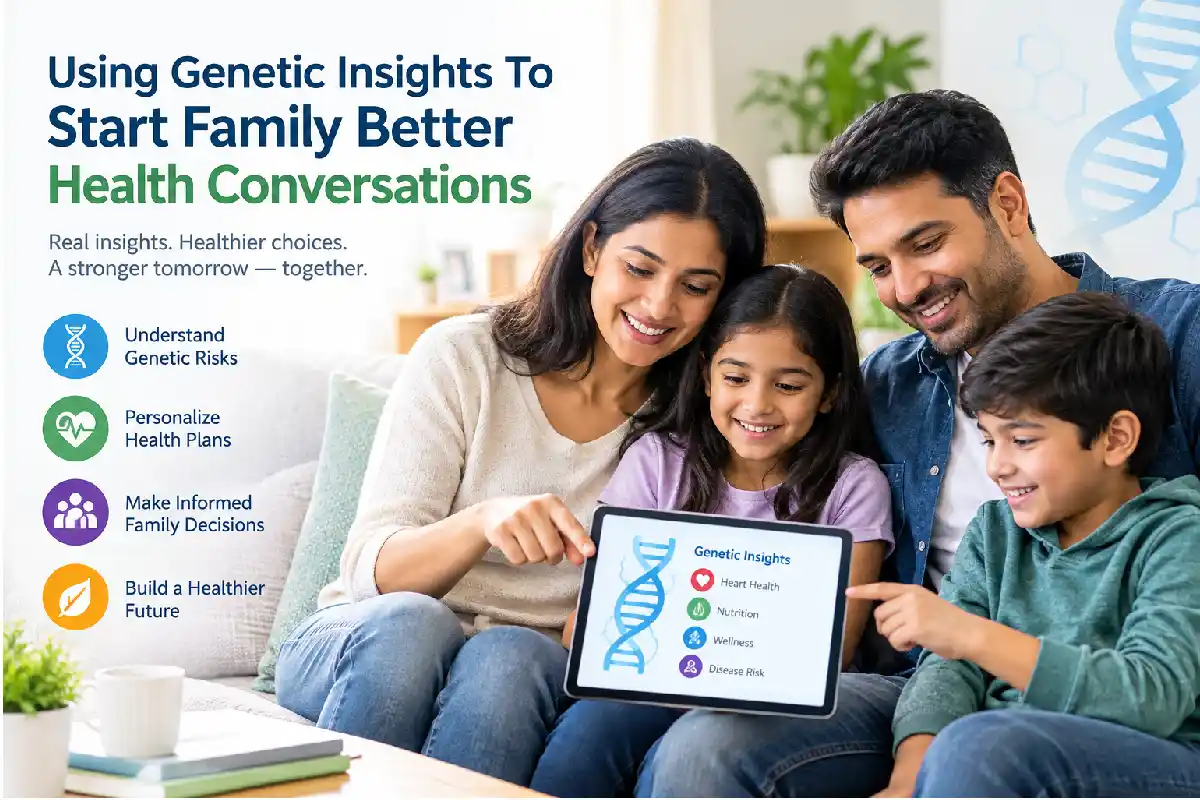
Using Genetic Insights To Start Better Family Health Conversations: Genetic information can be a useful starting point for discussing health patterns, building a clearer family record, and preparing questions for a healthcare professional. A health DNA testing kit may provide information about ancestry, selected traits, or certain genetic variants, but its most practical value often comes from the conversations it encourages.
DNA results work best when they are considered alongside family stories, medical records, lifestyle factors, and professional medical advice. They can raise worthwhile questions, but one report rarely provides a complete answer about a person’s present or future health.
Table of Contents
Why Family Health Talks Matter?
A family health history can reveal patterns that do not appear in a single medical chart. Information about conditions, age at diagnosis, major procedures, and causes of death can help a healthcare provider understand possible risk factors and discuss appropriate screening. Family health history information collected from relatives may be especially useful when several close relatives experienced the same condition or when illness appeared at an unusually young age.
For example, an adult who learns that a parent, aunt, and grandparent all had heart disease can bring that pattern to a routine appointment. The goal is not to assume the same outcome will happen, but to ask whether personal risk factors or preventive care should be reviewed.
Questions To Ask Relatives
- Have close relatives had cancer, heart disease, diabetes, stroke, or another long-term condition?
- How old were they when the condition was diagnosed?
- Were there inherited conditions, repeated pregnancy losses, or birth differences in the family?
- Do multiple relatives have unusual reactions to the same medication?
What Genetic Results Can Tell You
A genetic variant is a difference in the DNA sequence. Depending on the test, a result may relate to ancestry, inherited traits, medication response, or the chance of developing a particular condition. Because relatives share some DNA, information that matters to one person may also prompt a close relative to review their own history.
The most useful next step is often a focused question: “Does this finding change what I should discuss at my next appointment?” This approach recognizes that a result may indicate a possibility rather than provide a final medical conclusion.
What Results Cannot Tell You?

A risk result does not diagnose disease, and a result suggesting a lower risk does not guarantee that a condition will never occur. Age, environment, medical history, daily habits, access to care, and chance can all affect health outcomes. Testing methods and the reference data used can also influence ancestry estimates.
Do not stop a medication, begin treatment, or delay routine care based only on a consumer’s genetic report. Medical decisions should be made with a qualified clinician who can consider symptoms, family history, examination findings, and, when needed, clinical testing.
How To Share Results With Relatives
Sharing genetic information can be helpful, but it should be voluntary and respectful. A calm, simple process can reduce confusion.
- Ask first. Find out whether the relative wants to discuss the result.
- Share the basic finding. Use the report’s wording and avoid adding assumptions.
- Explain the limits. Make clear that the finding may require clinical review or confirmation.
- Offer a next step. Suggest writing down questions for a doctor or genetic counselor.
Language That Helps
- “This result raised a question I want to discuss with my doctor.”
- “I am sharing this in case it helps you review your own health history.”
- “It does not prove that anyone has a condition.”
- “You do not have to look at this report if you would rather not.”
Handling Surprising Information
Some results can uncover unexpected ancestry details, previously unknown relatives, or questions about biological relationships. These discoveries can bring relief, curiosity, grief, anger, or uncertainty. Give people time to process what they have learned, and avoid posting sensitive information in public spaces or family group chats.
Separate verified facts from conclusions that still need evidence. When emotions are intense, it may help to speak with a trusted support person, therapist, or a professional experienced in genetic counseling.
Building A Family Health Record
A useful family health record combines DNA information with what relatives know and what medical documents confirm. Start with parents, siblings, children, and grandparents, then add aunts, uncles, nieces, nephews, and first cousins when possible.
- Record the condition, age at diagnosis, and which side of the family it affects.
- Mark each item as confirmed, reported, or uncertain.
- Track cancers, heart disease, stroke, diabetes, autoimmune conditions, neurological conditions, and notable medication reactions.
- Update the record after a major diagnosis or when new information becomes available.
When To Contact A Professional
Bring a result to a primary care appointment when it concerns disease risk, medication response, or a pattern shared by close relatives. Genetic counseling can be particularly useful when there is early cancer in the family, several relatives with the same condition, a known inherited variant, or uncertainty about whether clinical confirmation is appropriate.
Genetic counselors are trained to help people understand genetic information and consider next steps in context. The profession of genetic counseling can help families sort through medical, emotional, and communication questions without treating a consumer report as a diagnosis.
Privacy And Consent Questions
Before submitting a sample, review the company’s policies on data storage, research participation, account security, and sharing choices. A person’s result can reveal information about biological relatives, so privacy is not only an individual concern. Use a strong password, review account settings periodically, and never pressure someone to test, view results, or disclose medical details.
Common Questions
Can A Genetic Result Diagnose A Disease?
Not usually. Many consumer reports describe selected variants or estimated risk. A healthcare professional may recommend a separate clinical test before any medical decision is made.
Should Every Result Be Shared With Family?
No. Sharing may be useful when information could affect a relative’s health discussion, but consent, timing, and emotional readiness matter.
What If Family History Conflicts With A DNA Result?
Record both pieces of information and discuss the difference with a qualified professional. An incomplete family history or a test’s limitations may explain part of the mismatch.
What Should Someone Do After A Concerning Result?
Save the report, avoid making immediate changes to treatment, write down any questions, and contact a healthcare provider to ask whether follow-up or confirmatory testing is needed.
Conclusion
Genetic information can support better family health conversations when it is handled with context, compassion, and respect for personal choice. Combine DNA findings with medical records and family history, protect privacy, and use qualified guidance when a result may affect care. The strongest outcome is not a quick conclusion. It is a clearer, more informed conversation about health.